
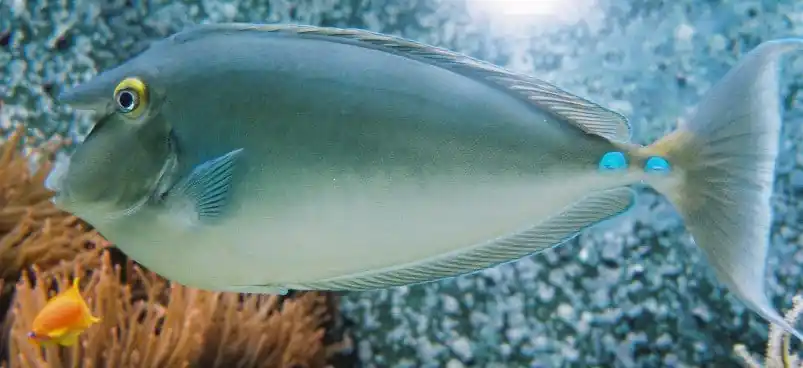
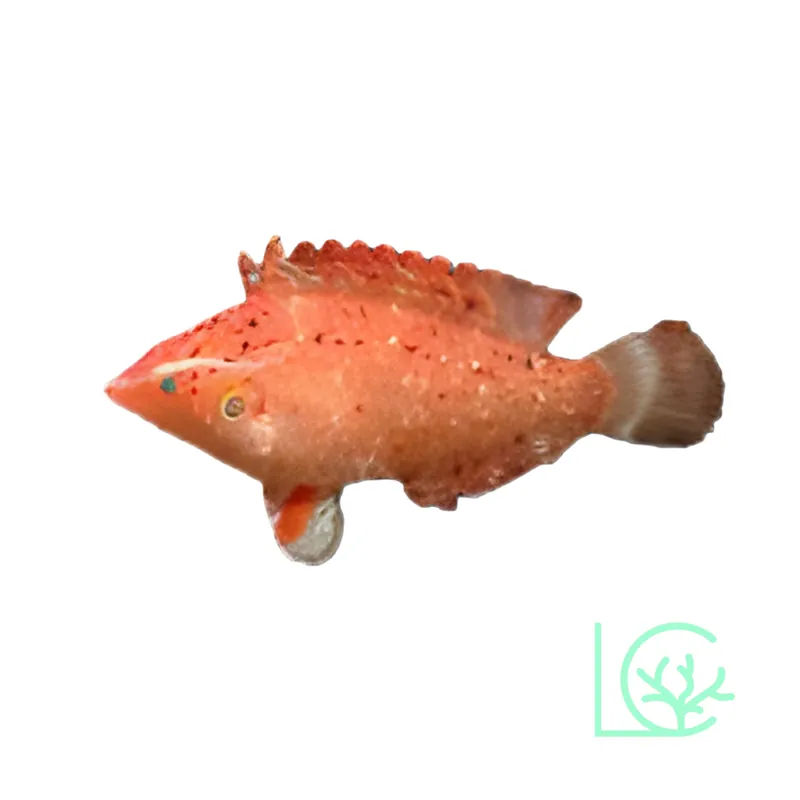
A greatUnicorn Juvenile Tang!
Origin: Eastern Asia
Size info:
Size M: approx. 2.25 – 3.5″
There once was a Naso Tang so rare,
With a horn on its head, quite the flair.
Its juvenile form,
Has a vibrant charm,
But a graceful adult it will soon wear.
With colors of blue, yellow, and black,
This Unicorn Tang has a unique stack.
Its spiked dorsal fin,
Is quite a cool win,
And its size can really make an impact.
So let us all praise Naso Unicornis,
For its beauty makes us all harmonious.
Its elegance and grace,
Are truly hard to replace,
This fish is simply extraordinary.
Keeping Unicorn Tang (Naso unicornis) in an Aquarium
The Unicorn Tang, also known as the Naso unicornis, is a popular saltwater fish among aquarium hobbyists. These fish are native to the Pacific Ocean and can be found in the waters surrounding Hawaii, Fiji, and Australia.
Aquarium Requirements
The Unicorn Tang requires a large aquarium of at least 180 gallons, as they can grow up to 20 inches in size. They also need plenty of swimming space and hiding places, such as caves or live rock. The water temperature should be between 72-78°F with a pH level of 8.1-8.4.
Diet
The Unicorn Tang is an herbivore and should be fed a diet consisting of marine algae, seaweed, and spirulina. They may also accept some meaty foods, such as brine shrimp or mysis shrimp, but these should not make up the majority of their diet.
Behavior and Compatibility
The Unicorn Tang is a peaceful fish and can be kept with other non-aggressive species in a community aquarium. However, they may become territorial towards other tangs or fish with a similar body shape. It is best to introduce them to the aquarium first before adding any other fish.
Coolest Stuff about the Unicorn Tang
- The Unicorn Tang gets its name from the elongated horn-like protrusion on its forehead.
- They have a unique ability to change their coloration, becoming darker or lighter depending on their mood or surroundings.
- The Unicorn Tang is known for its impressive swimming abilities, often darting around the aquarium at high speeds.
- They are a hardy species and can adapt well to aquarium life if provided with proper care.
Reviews
There are no reviews yet.