
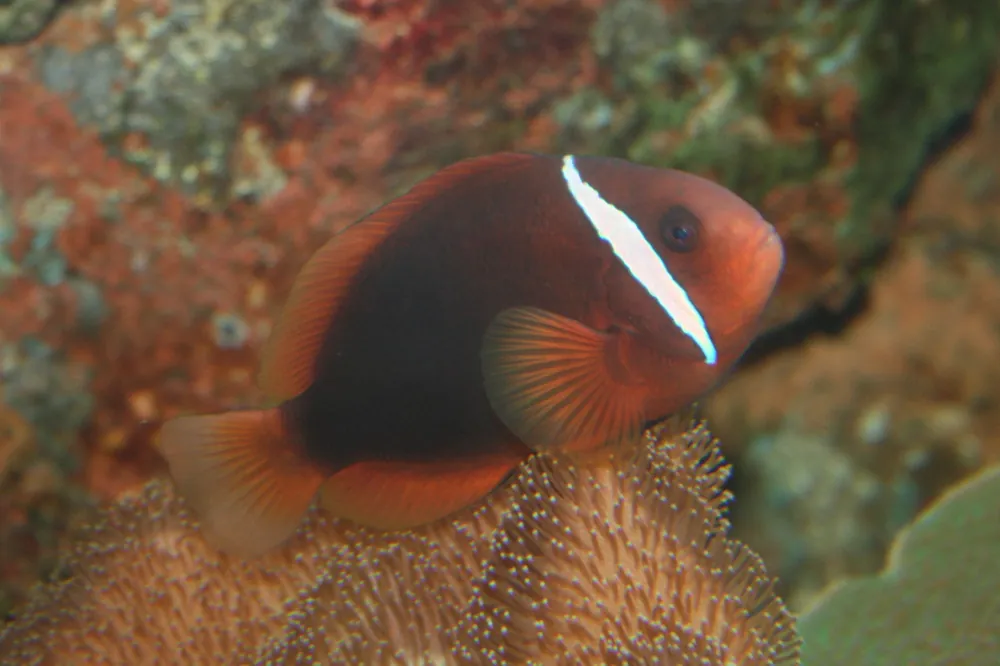
A greatTomato Clownfish Aquacultured!
Origin: Eastern Asia
Size info:
Size M: approx. 1 – 2″
There once was a Tomato Clownfish,
With stripes and colors so lavish,
Aquacultured with care,
Juicy tomatoes they’d share,
And their symbiosis is pure magic!
These fish are easy to keep,
For beginners they won’t make you weep,
They love a good anemone,
And with a partner, they’re happy as can be!
Their colors are truly stunning,
Bright reds and oranges, oh so stunning,
And did you know they can change,
Sex based on their mate, it’s not strange!
So if you’re looking for a fish that’s bold,
A Tomato Clownfish you should hold,
Aquacultured with love,
A treasure from above!
Amphiprion frenatusis a sight to see,
In your tank, they’ll bring pure glee!
Keeping Tomato Clownfish Aquacultured in an Aquarium
Tomato Clownfish Aquacultured, also known as Amphiprion frenatus, are a popular species of clownfish that can be kept in an aquarium. Here are some important things to keep in mind when keeping these fish:
- Tank size:Tomato Clownfish Aquacultured can be kept in a tank as small as 20 gallons, but a larger tank is always better.
- Water quality:These fish are sensitive to changes in water quality, so it’s important to keep the water parameters stable. A good filtration system and regular water changes can help maintain good water quality.
- Diet:Tomato Clownfish Aquacultured are omnivores and will eat a variety of foods, including flakes, pellets, and frozen foods.
- Compatibility:These fish are generally peaceful and can be kept with other fish of similar size and temperament. However, they may become aggressive towards other clownfish in the same tank.
Some of the coolest things about Tomato Clownfish Aquacultured include:
- Bright coloration:These fish are named for their bright red-orange coloration, which can add a pop of color to any aquarium.
- Hardiness:Tomato Clownfish Aquacultured are hardy fish that can adapt to a range of aquarium conditions.
- Host anemones:In the wild, these fish form symbiotic relationships with certain species of anemones. While they don’t necessarily need an anemone to thrive in an aquarium, providing one can help replicate their natural environment and behavior.
Reviews
There are no reviews yet.