
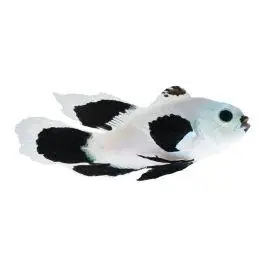
| SKU | 255964 |
|---|---|
| Aquarium Type | Saltwater |
| Species | Amphiprion ocellaris |
| Diet | Omnivore |
| Care Level | Easy |
| Temperature | Tropical (77–82°F) |
| Mature Size (Not Shipped Size) | Approx. 4″ Long |
| Min. Tank Size | 15 Gallons |
| Temperament | Peaceful, Semi-Aggressive |
| Reef Safe | Yes |
Quick Stats
CareEasyTemperamentPeaceful/Semi-AggressiveDietOmnivoreApprox. Purchase Size1.25-1.5″Approx. Max Size4″Rec. Tank Size15 Gallons +Reef SafeYesSourceCaptive Bred
The Ocellaris Clownfish (Amphiprion ocellaris), also known as the False Percula Clownfish, is one of the most iconic and beloved fish in the saltwater aquarium hobby. Recognizable for its bright orange body adorned with white bands, this hardy fish is renowned for its symbiotic relationship with sea anemones. Its temperament and ease of care make it an excellent choice for both beginners and experienced aquarists.
With countless “designer” morphs and color variations now available, ranging from classic patterns to highly unique strains, there is an Ocellaris Clownfish to fit nearly any aquarium style. Despite their visual differences, the care requirements for Ocellaris morphs remain virtually identical, making it easy to choose based on personal preference without needing specialized care.
Aquarium Size
More space is always beneficial, but aminimum tank size of 15 gallonsis recommended for an Ocellaris Clownfish (single or pair). If you plan to add other tankmates, consider a larger aquarium to provide adequate space and reduce territorial behavior. A larger tank also offers more stability in water parameters, which is beneficial for all inhabitants.
Habitat Recommendations
Ocellaris Clownfish are relatively adaptable but thrive best in an environment that mimics their natural habitat. Here’s how to set up their ideal home:
- Aquascaping:Incorporate plenty of live rock formations to create hiding spots and territory boundaries. This not only provides security for the clownfish but also promotes beneficial biological filtration.
- Substrate:No specific substrate is required. Clownfish adapt well to sand, crushed coral, or bare-bottom setups.
- Anemones:While not necessary, adding an anemone is enjoyable to watch! The Bubble Tip Anemone is a popular choice that can act as a host for your clownfish. Please do not add an anemone to your aquarium without understanding their unique lighting, dietary, habitat, and water parameter requirements.
While these hardy fish are known for their adaptability to a wide range of conditions, providing a stable environment will allow them to thrive and stay healthy.
- Temperature:75-78°F. Limit any temperature swings to about +/- 1°F or less.
- pH Level:7.7 to 8.5.
- Salinity:1.023-1.026 (30-35ppt)
- Ammonia, Nitrite, and Nitrate:Ammonia and nitrite should be undetectable, with nitrate levels kept below 20 ppm
- Water Flow:Most clownfish are adaptable to low to high flow environments. Long-fin varieties will do best in low to moderate flow aquariums.
Clownfish are Omnivores, meaning they eat both meaty and plant-based foods. Offering both will give your new fish the nutrition it needs to not only survive, but thrive in your aquarium. Ocellaris Clownfish aren’t typically picky eaters and will accept food in a variety of forms.
Primary Diet
- Frozen Food:Mysis Shrimp or other marine-specific frozen foods can provide a quality diet, but with less risk of overfeeding vs pellet or flake foods.
- Pellet Food:Pellet foods are typically very nutrient dense, so care should be taken to avoid overfeeding the aquarium, which can contribute to poor water quality. Many aquarists will feed herbivore specific pellets like Hikari Seaweed Extreme in conjunction with a meaty frozen food for a complete diet.
- Flake Food:Flake food isn’t as popular of a choice among saltwater aquarists, but if you opt for a flake food, be sure to choose a marine-specific option that’s formulated to meet the needs of saltwater fish.
Feeding Frequency
Feed your Ocellaris Clownfish at least once per day. Break feeding up into 2-3 smaller meals if possible. Ensure each portion is small enough for them to consume within a few minutes to prevent overfeeding and maintain water quality. Your Clownfish will probablyalwayslook hungry, so it can be hard to stop yourself from adding more food to the tank.
When it comes to tank mates, Ocellaris Clownfish are generally peaceful and can coexist harmoniously with a variety of other marine species.
Common Tank Mates
- Fish:Gobies, Blennies, Cardinalfish, most Wrasse, Firefish, Tangs, Dwarf Angelfish, and other peaceful fish. Avoid mixing different species of clownfish in the same aquarium (i.e. an Ocellaris Clownfish with a Maroon Clownfish).
- Invertebrates:Clownfish won’t bother most invertebrates, so Cleaner Shrimp, Hermit Crabs, Snails, Urchins, and more are all safe to keep with clownfish
- Coral:Clownfish are considered Reef Safe and can be kept with Soft, LPS, or SPS coral. Clownfish will often pick coral as their host if an anemone is not available, which can sometimes cause mild irritation to the coral.
Behavioral Notes
Ocellaris Clownfish, especially when kept in pairs, can exhibit slightly territorial behavior. Here are some key points to keep in mind:
- Territoriality:Clownfish may become territorial, particularly if they are protecting a specific area or an anemone. This behavior is more pronounced in smaller tanks.
- Pair Dynamics:A pair of clownfish often establishes a hierarchy, with one dominant individual (usually the larger female) and a subordinate (smaller male). They will defend their chosen territory together, but their aggression is typically limited to their immediate surroundings.
- Group Behavior:While pairs are common, clownfish can also be kept in small groups. However, it’s essential to monitor them closely for signs of aggression and ensure that the tank is large enough to provide adequate space for all individuals. Keeping them in groups is not recommended for beginner aquarists.
Acclimation instructions are included in each box, but if you misplaced yours or want to know what to expect before your fish arrives, you can always review theFish Acclimation Instructionsahead of time.
Reviews
There are no reviews yet.