
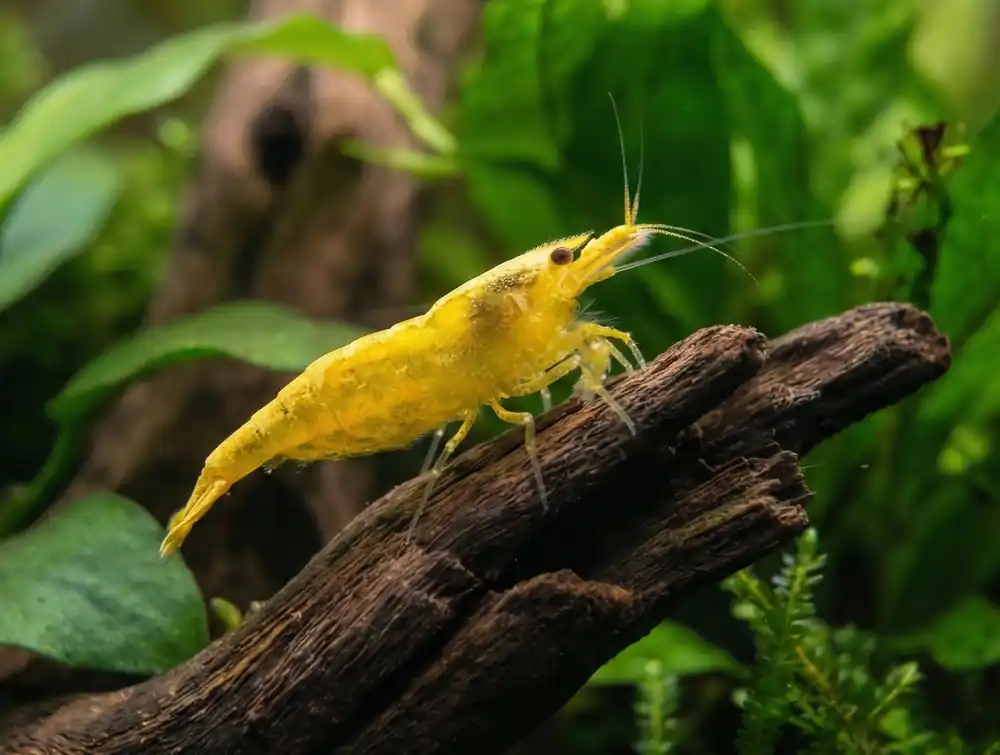
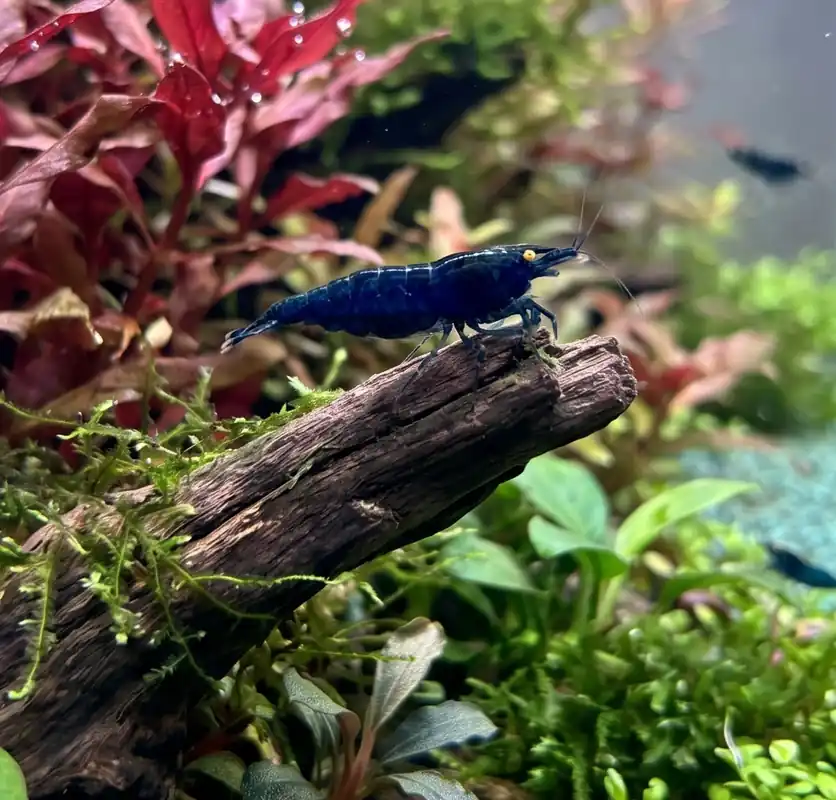
24k Yellow Neocaridina Shrimp
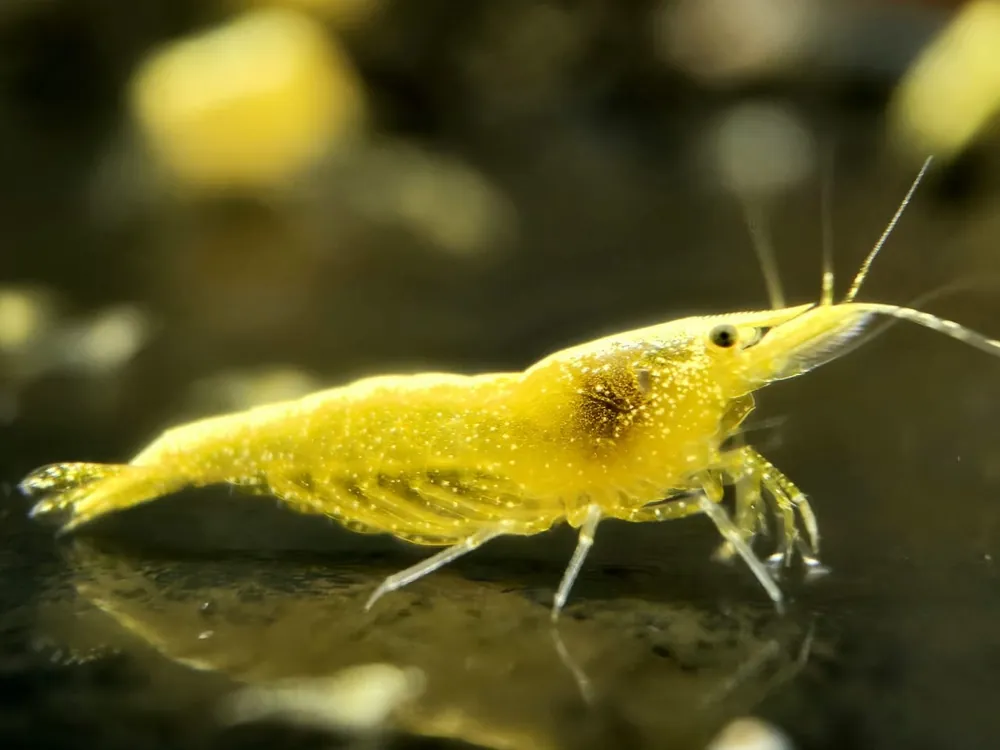
24k Yellow Neocaridina Shrimp(Neocaridina davidi) is named for the warm, metallic gold-yellow quality of the coloration — a rich, saturated yellow that catches light with a warm golden quality reminiscent of 24-karat gold. One of the most vivid and premium yellow Neocaridina available.
⚠ Copper Warning:Copper isfatalto all shrimp — even trace amounts. Never use copper-based medications or treatments in any aquarium housing shrimp. Check all fish medications carefully before use.
AllNeocaridina davidicolor varieties are color-selected lines of a single species native to Taiwan. The wild form is a drab olive-brown, barely resembling its descendants. The extraordinary palette of colors available today is the result of decades of selective breeding by dedicated hobbyists and commercial breeders — primarily in Taiwan — who isolated and intensified natural color mutations across hundreds of generations. When you keep a Neocaridina shrimp, you are keeping one of the most extensively bred freshwater invertebrates in the world.
A note on mixing colors:Neocaridina color varieties will interbreed freely if kept together. While the first generation of crosses often produces attractive offspring, subsequent generations revert toward the ancestral wild-type — a muddy brown-olive color that is the genetic baseline of the species. For best results and to maintain color quality, keep each color variety in its own aquarium.
Neocaridina shrimp are among the hardiest and most beginner-friendly invertebrates available. They adapt well to a range of water parameters, breed readily in freshwater, and are constantly active — grazing every surface of the aquarium for biofilm and algae from morning to night. A healthy colony in a mature planted aquarium is one of the most rewarding and visually dynamic setups in the freshwater hobby. Females carrying eggs are calledberried— the cluster of eggs visible beneath the tail resembles a bunch of small berries and is one of the most satisfying sights in shrimp keeping.
⚠ Water Changes:Neocaridina shrimp are sensitive to sudden parameter changes — large or frequent water changes are one of the most common causes of stress and failed molts. Keep water changes to10% maximumat a time, and only when necessary. Always match temperature precisely before adding new water. When in doubt, do less rather than more — a stable tank with slightly elevated parameters is safer than a tank subjected to frequent changes.⚠ Acclimation — Go Slowly:Shrimp must be acclimated very slowly to a new aquarium — sudden parameter changes are a leading cause of losses on arrival. The preferred method isdrip acclimation: attach an airline tube with a knot or valve to create a slow drip from the tank into the bag or container, running for at least 60–90 minutes until the water volume has at least doubled. If drip acclimation equipment is not available, addone tablespoon of tank water to the bag every 5 minutesfor at least 45–60 minutes before releasing the shrimp. Never rush this process.Feeding & Care Tip:GlasGarten Shrimp Dinner 2is our recommended daily staple — a comprehensive, nutritionally balanced shrimp food that supports color, health, and breeding condition.GlasGarten Bacter AEis equally important — sprinkled lightly on the water surface, it builds the biofilm that Neocaridina graze on constantly and that newborn shrimp depend on as their primary food source.
For treats, rotateGlasGarten Shrimp Snacks(Snow Flakes, Dandelion, Mulberry, Leaves Mix) andGlasGarten Shrimp Lollies 4 in 12–3 times per week. Both provide enrichment and variety that keeps shrimp active and foraging enthusiastically.
GlasGarten Mineral Junkie BitesandGlasGarten Mineral Foodare essential supplements — molting requires significant calcium and mineral resources, and shrimp that lack minerals will struggle with failed molts. Add these regularly, especially in softer water.
For newborn shrimplets,GlasGarten Shrimp Baby Foodprovides the fine particle nutrition that juveniles need in their first weeks of life.
Neocaridina shrimp are peaceful and safe with most small, non-predatory fish — Ember Tetras, small rasboras, Corydoras, Otocinclus, and similar tankmates work well. Avoid any fish large enough to eat a shrimp. Be cautious with bettas — some individuals ignore shrimp entirely while others actively hunt them. Shrimp-only or invertebrate-focused aquariums give the best breeding results and the most visible shrimp behavior. Dense planting provides cover that makes shrimp feel secure and dramatically increases the amount of time they spend in the open.
Molting is the most vulnerable period in a shrimp’s life — for 12–24 hours after molting, the new shell is soft and the shrimp is essentially defenseless. Do not remove molted shells from the aquarium; shrimp will consume them to reclaim the minerals they contain. A shrimp that fails to fully exit its old shell — called afailed molt— is usually a sign of insufficient minerals or unstable parameters. Consistent water parameters and regular mineral supplementation are the most effective prevention.
| 24k Yellow Neocaridina Shrimp | |
|---|---|
| Difficulty | Beginner — Easy |
| Temperament | Peaceful — safe with small non-predatory fish |
| Adult Size | 1.0–1.5 inches (2.5–4 cm) — females larger |
| Group Size | 10 minimum — colonies of 20–30+ thrive and breed readily |
| Recommended Stocking | 5–10 per gallon in shrimp-only setups; 2–3 per gallon in community tanks |
| Ideal Temperature | 70–76°F (21–24°C) |
| Ideal pH | 7.0–7.5 |
| Ideal GH | 8–12 dGH |
| Ideal KH | 2–6 dKH |
| Ideal TDS | 150–250 |
| Staple Food | GlasGarten Shrimp Dinner 2; GlasGarten Bacter AE |
| Treat / Supplement | GlasGarten Shrimp Snacks; GlasGarten Shrimp Lollies 4 in 1; GlasGarten Mineral Junkie Bites; GlasGarten Mineral Food; GlasGarten Shrimp Baby Food (for juveniles) |
| Origin | Taiwan (captive-bred color selection of wild TaiwaneseNeocaridina davidi) |
| Notes | Copper:Fatal — never use copper medications in shrimp tanks Color Mixing:Do not mix Neocaridina color varieties — offspring revert to wild-type brown Molting:Do not remove molted shells — shrimp consume them for minerals Failed Molts:Sign of mineral deficiency or unstable parameters Breeding:Berried females carry eggs 3–4 weeks; shrimplets need Bacter AE biofilm and Shrimp Baby Food Tankmates:Avoid fish large enough to eat shrimp; bettas vary by individual |
Reviews
There are no reviews yet.